
 10/20/2025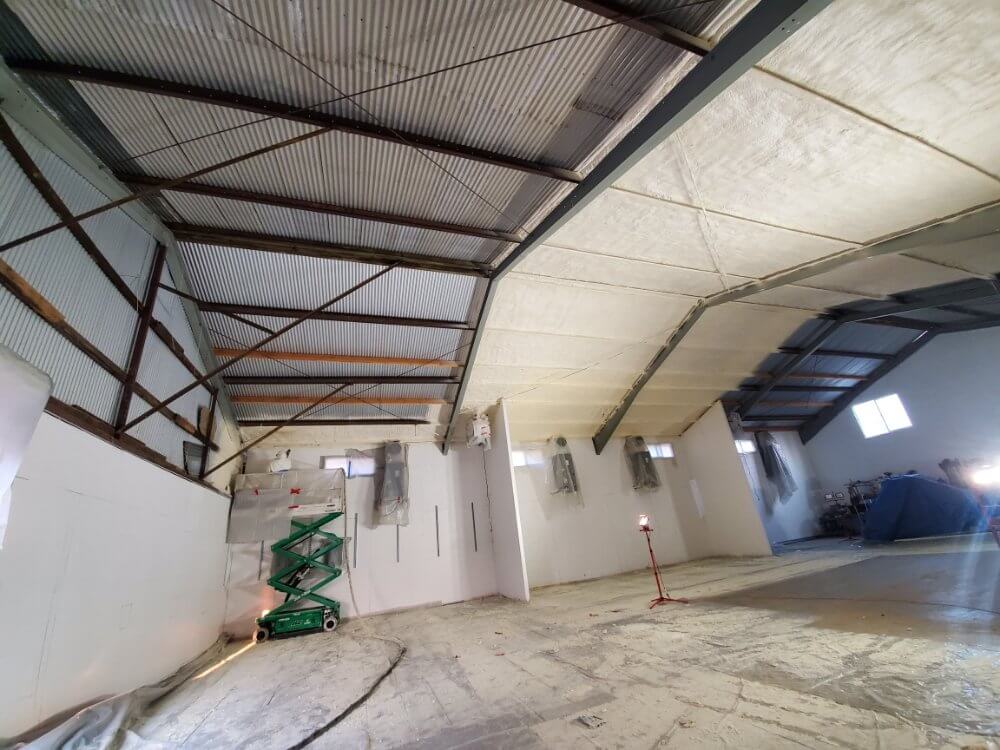
Key Takeaways
-
California’s diverse climate requires tailored insulation strategies for maximum efficiency.
-
Fiberglass, cellulose, spray foam, and rigid foam each offer unique advantages.
-
Professional installation ensures compliance with California’s energy standards.
-
High-quality insulation reduces energy costs and supports sustainability goals.
-
USA Spray Me provides customized insulation solutions for commercial properties across California.
Commercial Insulation in California
California’s diverse climates—from coastal areas to deserts and mountains—require insulation solutions designed for specific regional needs:
-
Coastal Areas: Insulation needs are moderate due to mild temperatures.
-
Inland Areas (Southern California): High-performance insulation blocks heat gain to keep interiors cool during extreme summer heat.
-
Northern California: Insulation focuses on heat retention to maintain comfort during colder months.
Plus, California’s strict building codes, governed by the California Energy Commission, mandate compliance with specific insulation requirements to promote energy efficiency.
USA Spray Me is an insulation company based in San Francisco and serving Northern California. Our expert technicians specialize in the application of high-quality foam polyurethane insulation, known for its superior thermal performance and air-sealing properties.
Cost-Effective Insulation Options
Fiberglass: Affordable and Versatile
-
Cost: $1.40 to $3.00 per square foot.
-
Applications: Suitable for walls, ceilings, and floors.
-
Fire Resistance: Non-combustible.
-
Soundproofing: Reduces noise.
While fiberglass does not seal air leaks effectively, pairing it with an air barrier improves performance and energy efficiency.
Blown-In Insulation: Flexible and Cost-Effective
Blown-in insulation is ideal for irregularly shaped spaces and provides good thermal performance.
-
Cost: $1.50 to $4.00 per square foot.
-
Coverage: Walls, ceilings, and attics.
-
Energy Efficiency: Helps maintain consistent indoor temperatures, reducing energy costs.
Proper installation is essential to prevent settling, which could compromise its effectiveness over time.
Cellulose Insulation: Eco-Friendly and Efficient
Cellulose insulation is an environmentally friendly option, made primarily from recycled materials.
-
Cost: $2.00 to $5.00 per square foot.
-
Sustainability: Contains up to 85% recycled content.
-
Thermal Resistance: Provides an R-value of approximately 3.5 per inch.
Professional installation is needed to address potential settling issues.
Premium Insulation Materials and Their Benefits
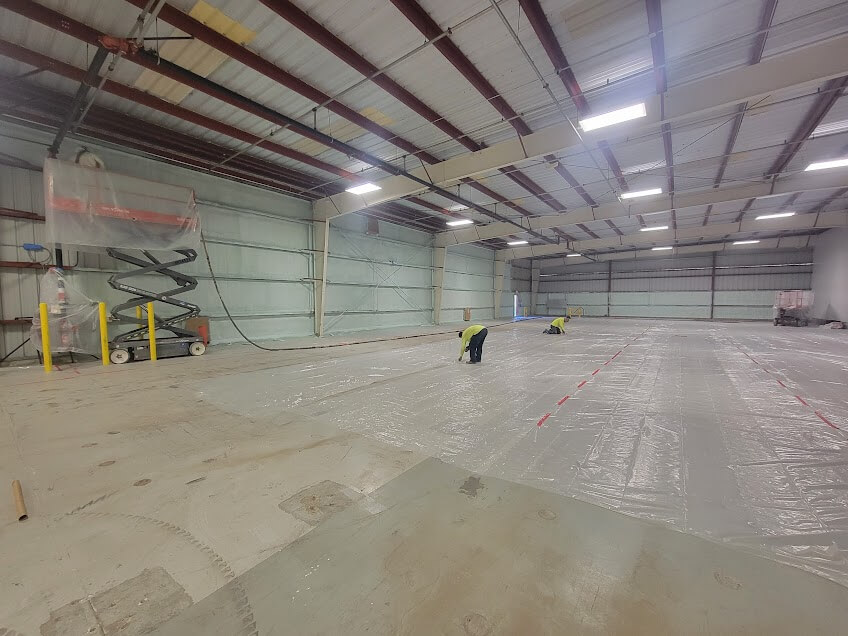
Spray foam insulation is a premium choice for California commercial buildings.
Spray Foam: Superior Thermal Resistance
Spray foam insulation provides exceptional thermal resistance and an airtight seal, effectively preventing air leaks.
-
Cost: $2.00 to $9.00 per square foot.
-
R-Value: Ranges from 3.5 to 6.5 per inch, depending on whether open-cell or closed-cell spray foam is used.
-
Benefits:
-
Seals gaps and cracks, improving energy efficiency.
-
Adds structural strength to buildings.
-
Spray foam’s durability and ability to minimize energy loss make it an ideal choice for commercial buildings.
Rigid Foam: High R-Values for Maximum Efficiency
Rigid foam insulation provides high thermal resistance and moisture protection—an excellent choice for walls, roofs, and foundations.
-
Cost: $3.00 to $10.00 per square foot.
-
R-Value: 4 to 6.5 per inch.
-
Benefits:
-
Space-efficient insulation for areas requiring high performance.
-
Acts as a moisture barrier, protecting structures from dampness.
-
Its high R-value and dual functionality make it a top-tier choice for areas with limited space or high moisture levels.
Detailed Pros and Cons Analysis
|
Insulation Type |
Cost per Sq Ft |
Pros |
Cons |
|---|---|---|---|
|
Spray Foam Insulation |
$2.00 – $9.00 |
– High thermal resistance and airtight seal – Reduces energy loss significantly |
– Requires professional installation – Low-emission formulations are available for eco-conscious projects |
|
Fiberglass Insulation |
$1.40 – $3.00 |
– Affordable – Easy to install (DIY-friendly for smaller areas) – Non-combustible |
– Less effective at sealing air leaks – Susceptible to moisture absorption over time – Requires pairing with an air barrier for enhanced performance in sealing gaps |
|
Rigid Foam Insulation |
$3.00 – $10.00 |
– Long-lasting – Highly moisture-resistant – Ideal for damp areas |
– Higher upfront cost compared to fiberglass |
|
Cellulose Insulation |
$2.00 – $5.00 |
– Made from 85% recycled materials – Good thermal performance – Eco-friendly |
– Can settle over time, requiring maintenance – Limited moisture resistance |
Recommendations for California Businesses
Matching Insulation Type to Business Needs
-
Assess your building’s requirements, including climate, design, and budget.
-
Businesses prioritizing sustainability should consider cellulose insulation.
-
If soundproofing is critical, fiberglass insulation provides excellent noise absorption.
Long-Term Energy Savings and Investment
-
Quality insulation reduces reliance on heating and cooling systems, significantly lowering energy bills over time.
-
Reducing HVAC system workload increases its lifespan, minimizing maintenance and replacement costs, and leading to lower operational expenses.
Consulting with Insulation Professionals
-
Insulation experts evaluate your building’s specific needs, including climate, design, and energy goals, and recommend the best insulation materials and techniques.
-
Proper installation prevents gaps and air leaks, ensuring maximum efficiency and eliminating energy loss.
-
Professionals also ensure compliance with California’s building codes and standards, avoiding legal issues and enhancing property market value.
Why Choose USA Spray Me for Your Commercial Insulation Project
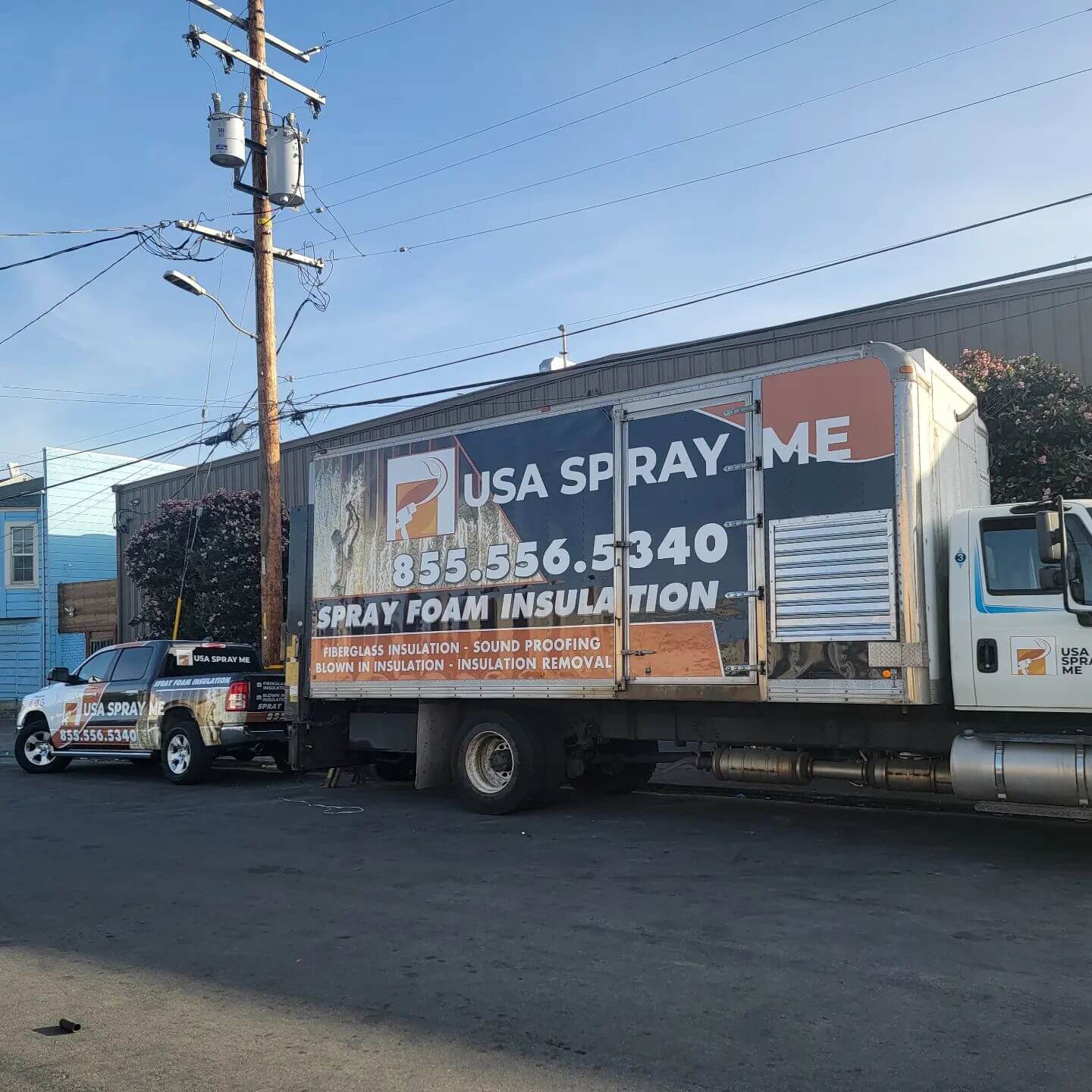
USA Spray Me is a trusted partner for commercial insulation projects across California.
At USA Spray Me, we have proudly served the SF Bay Area for over 10 years, delivering exceptional insulation solutions—including spray foam, fiberglass, and blown-in insulation. We will assess factors such as building size, construction materials, and energy requirements to recommend solutions which will improve energy efficiency and indoor comfort.
Our team uses high-quality materials, such as polyurethane foam which has superior thermal performance and air sealing.