
 8/27/2024
Key Takeaways
- Spray foam seals gaps and cracks better than traditional insulation, leading to long-term savings on energy bills.
- The initial investment for spray foam insulation is higher, but the return on investment (ROI) makes it worthwhile.
- There are two main types of spray foam insulation: open-cell and closed-cell, each with its own benefits and costs.
- Professional installation is recommended to ensure safety and optimal performance.
- USA Spray Me offers a highly effective insulation method to insulate custom homes, providing superior energy efficiency.
Why Insulation Matters for Your Custom Home?
In San Jose, a Mediterranean climate characterized by mild, wet winters and hot, dry summers, proper insulation helps keep your home warm in the winter and cool in the summer, reducing energy costs. It also enhances soundproofing, making your home quieter and more peaceful, and minimizes wear and tear on your HVAC system, extending its lifespan and improving indoor air quality.
USA Spray Me is an insulation company based in San Francisco and serving Northern California. Our expert technicians specialize in the application of high-quality foam polyurethane insulation, known for its superior thermal performance and air-sealing properties.
Why Choose Spray Foam Insulation?
Spray foam expands to fill every nook and cranny, creating an airtight seal – so it is highly effective at preventing air leaks and improving energy efficiency.
It is durable, long-lasting, and doesn’t sag or settle over time – ensuring consistent performance. Spray foam insulation adds structural strength to your home and is a barrier against moisture, pests, and allergens – contributing to a healthier living environment.
Benefits of Using Spray Foam Insulation in Custom Homes
- Creates an airtight seal, preventing air leaks and minimizing heat transfer.
- Reduces HVAC workload, leading to lower energy bills.
- Air leaks can account for up to 30% of heating and cooling costs; spray foam significantly reduces energy consumption.
- Effectively seals gaps and cracks in the building envelope.
- Expands to fill every void, preventing air and moisture entry.
- Higher initial cost but significant long-term savings.
- Durable and long-lasting, reducing maintenance and replacement costs.
Cost Comparison
| Insulation Type | Cost per Square Foot | Additional Benefits |
|---|---|---|
| Open-Cell Spray Foam | $1.50 to $3.00 | Effective air sealing, noise reduction |
| Closed-Cell Spray Foam | $1.50 to $4.00 | Superior thermal insulation, moisture resistance |
| Fiberglass | $0.40 to $1.50 | Cheaper upfront, but requires frequent maintenance |
| Cellulose | $0.60 to $2.30 | Prone to moisture issues, less effective sealing |
These costs are estimated at the time of writing and may not reflect specific quotes provided by various contractors. For a personalized quote for your project, feel free to get in touch!
Types of Spray Foam
Open-Cell Spray Foam
Open-cell spray foam is a lighter, less dense option – ideal for interior applications. It has a lower R-value (a measure of thermal resistance) than closed-cell foam but is highly effective at reducing noise and providing air sealing. Open-cell spray foam is also more flexible – allowing it to expand and contract with the building structure.
Closed-Cell Spray Foam
Closed-cell spray foam is denser and more rigid – suitable for both interior and exterior applications. The R-value measures thermal resistance, indicating how well a material insulates. A higher R-value means better insulation. Closed-cell foam has a higher R-value, providing superior thermal insulation. It is also more moisture-resistant, making it ideal for areas prone to dampness or water intrusion.
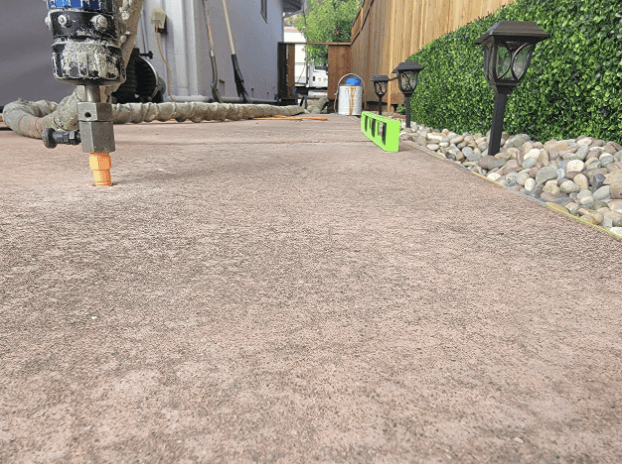
Polyurethane foam being injected into a custom home’s driveway in San Jose for leveling and insulation purposes.
Pros and Cons of Spray Foam Insulation
| Pros | Cons |
|---|---|
| Improves Air Quality | Higher Upfront Cost |
| Increases Home Value | Potential Health Risks during installation |
| Durability and Longevity | Professional Installation Required |
| Enhanced Energy Efficiency | |
| Seals Gaps and Cracks | |
| Long-Term Savings |
Professional Installation Required
Spray foam insulation requires professional installation to ensure it is applied correctly and safely. DIY installation is not recommended, as improper application can lead to issues with performance and safety.
Considerations Before Installation
- First, assess your home’s current insulation and identify areas needing improvement. This will help you determine the scope of the project and the type of spray foam insulation that best suits your needs.
- Next, consider your budget. While spray foam insulation offers long-term savings, the initial cost can be higher than traditional insulation methods – so it’s essential to weigh the upfront investment against the potential energy savings and increased home value.
Maintenance Tips
Once installed, spray foam insulation requires minimal upkeep – periodically monitoring your home’s insulation is important to ensure it remains effective.
- Regularly inspect it for signs of damage or wear – such as cracks or gaps – and ensure it stays dry and free from moisture, as dampness can compromise its performance.
- Promptly address any issues to maintain optimal insulation conditions.
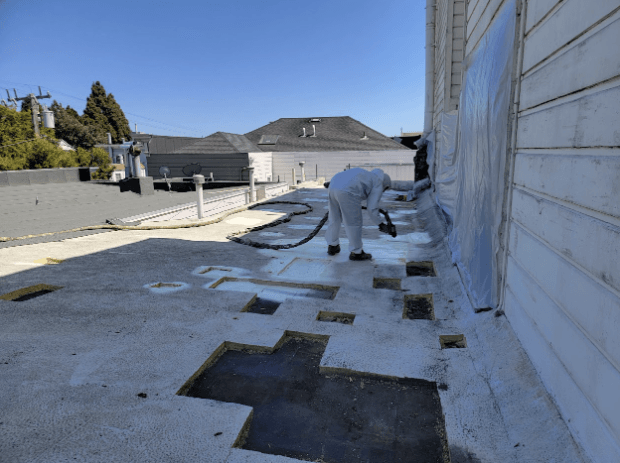
Roofing team applying spray foam insulation to a flat roof in San Jose, providing superior waterproofing and thermal resistance.