
 12/13/2024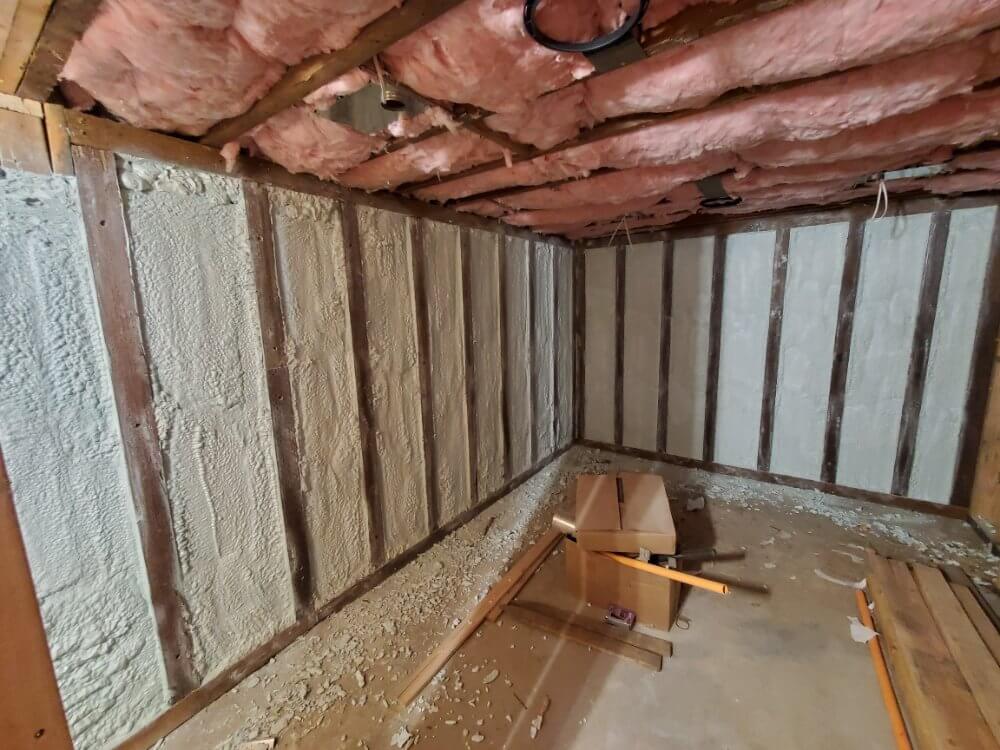
Key Takeaways
-
Spray foam insulation offers an R-value of 6 to 7 per inch, providing superior thermal resistance.
-
Batt insulation, while effective, may not create an airtight seal like spray foam.
-
Spray foam prevents air leakage, significantly improving energy efficiency compared to batts.
-
Batt insulation is DIY-friendly, while spray foam requires professional installation for optimal results.
-
USA Spray Me offers over 10 years of experience, providing top-quality spray foam insulation for superior energy efficiency and performance.
Understanding Insulation Options
Insulation is critical for maintaining a comfortable temperature and reducing energy costs by slowing down heat transfer, keeping your home warm in winter and cool in summer.
Choosing the right insulation optimizes energy efficiency and comfort.
What is Spray Foam Insulation?
Spray foam insulation involves spraying liquid foam that expands and hardens, creating an airtight seal. It has a high R-value, offering excellent thermal resistance.
-
Open-cell spray foam – less dense, flexible, great for indoor applications needing soundproofing.
-
Closed-cell spray foam – denser, stronger barrier against moisture and air leakage, ideal for outdoor use or areas prone to moisture.
What is Batt Insulation?
Batt insulation, made from materials like fiberglass, mineral wool, or cotton, comes in pre-cut panels or rolls. Commonly used in walls, floors, and ceilings, it’s a popular choice for DIY projects.
-
Affordable and easy to install, but requires precise cutting to prevent gaps.
-
Less effective at creating an airtight seal compared to spray foam.
USA Spray Me is an insulation company based in San Francisco and serving Northern California. Our expert technicians specialize in the application of high-quality foam polyurethane insulation, known for its superior thermal performance and air-sealing properties.
Comparing Costs
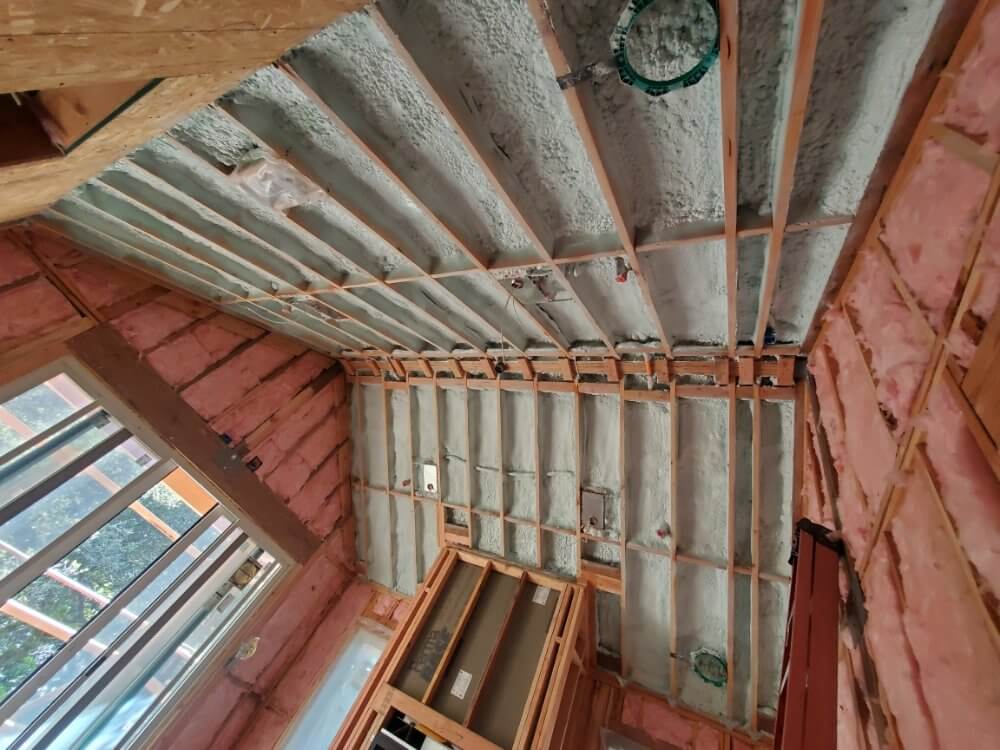
Spray foam insulation may have higher upfront costs but delivers long-term savings compared to batts.
Initial Cost of Spray Foam
Spray foam insulation ranges from $2.00 to $9.00 per square foot, including materials and professional installation. While the upfront cost is higher, spray foam’s superior insulating properties can lead to significant long-term energy savings, offsetting the initial investment.
The prices provided are estimates and are accurate as of the time of writing. Actual costs may vary depending on the specific requirements and conditions of each individual project.
R-Value of Spray Foam
Spray foam insulation has an R-value of 6 to 7 per inch, making it one of the most efficient insulation materials available. Its high R-value provides excellent thermal resistance in less space, making it ideal for tight areas or where maximum insulation is needed. Unlike batts, spray foam expands to fill gaps, ensuring consistent performance without air leaks.
Initial Cost of Batts
Fiberglass batts cost between $1.40 and $3.00 per square foot. This is a more affordable option, especially for those on a budget. Batts can often be installed without professional help, reducing labor costs. However, improper installation can result in air leaks and decreased energy efficiency.
The prices provided are estimates and are accurate as of the time of writing. Actual costs may vary depending on the specific requirements and conditions of each project.
R-Value of Batts
Batt insulation typically has an R-value between R-2.9 and R-3.8 per inch, with fiberglass on the lower end and mineral wool offering slightly higher values. The R-value reflects the material’s ability to resist heat flow, with higher values providing better insulation. Poor installation, including gaps or compression, can reduce the effectiveness of batts and compromise energy savings.
Impact on Energy Efficiency
Insulation plays a crucial role in energy efficiency, helping to maintain stable indoor temperatures. Spray foam is highly effective at creating an airtight seal, preventing air leakage, and improving overall energy efficiency. Batts, while more affordable, may not provide the same level of efficiency due to potential gaps and air leaks, leading to higher energy consumption as HVAC systems work harder to maintain desired temperatures.
Factors Influencing Insulation Choice
Installation Complexity
-
Spray foam requires professional installation, ensuring a high-quality, airtight seal but increasing costs.
-
Batt insulation is often DIY-friendly, helping save on labor but requires precise installation to avoid gaps and compression, which reduce effectiveness.
Effectiveness of Air Sealing
-
Spray foam forms a complete seal by filling gaps and cracks, resulting in improved energy efficiency and enhanced indoor comfort.
-
While batt insulation can be effective, improper installation can lead to air leakage, which reduces its overall performance.
Impact on the Environment
-
Spray foam has a higher environmental impact because of the chemicals used, but newer eco-friendly formulations are now available.
-
Batt insulation, especially from recycled materials like cotton or mineral wool, has a lower environmental impact and can be recycled.
Final Thoughts on Insulation Choices
Situational Insulation Preferences
-
In extreme temperature climates, spray foam’s air-sealing abilities deliver superior performance by helping maintain consistent indoor temperatures.
-
For areas with minimal temperature variation, such as interior walls, batt insulation can work, but it lacks the energy efficiency and airtight seal that spray foam provides.
Why Choose USA Spray Me for Your Spray Foam Insulation Project
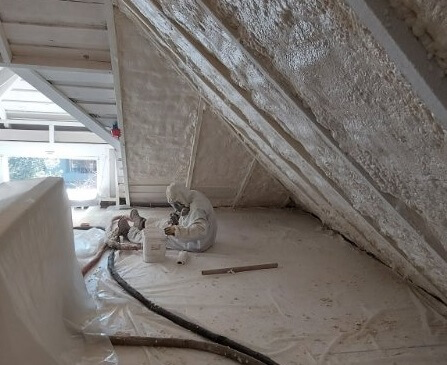
USA Spray Me offers superior spray foam insulation services, providing long-term energy efficiency and R-value benefits.
At USA Spray Me, we provide expert spray foam insulation services designed to maximize energy efficiency and comfort. With more than 10 years of experience in the Bay Area, we specialize in installing high-quality polyurethane foam insulation, which delivers superior thermal performance compared to traditional batts.
Our services include foam roof insulation, attic insulation, and insulation for existing walls—ensuring your property is energy-efficient and well-sealed. When comparing spray foam to batts in terms of cost and R-values, our knowledgeable team offers personalized recommendations to help you select the best solution for your project, whether residential or commercial. We also offer flexible financing options to accommodate various budgets.