





Leaking Roof in California in 2025: What San Francisco Homeowners Need to Know
12/19/2025 3:00 PM
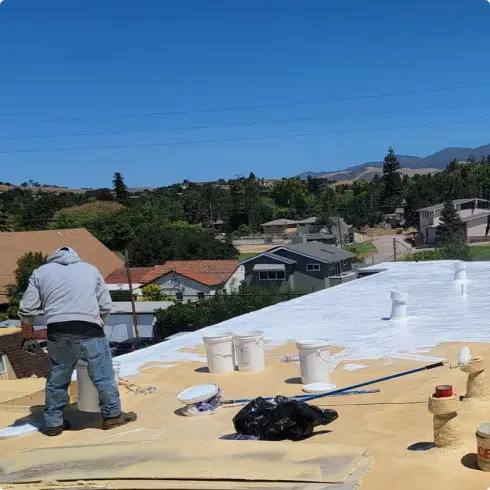
A leaking roof in California requires immediate attention - especially in San Francisco's fog-heavy coastal climate.
A leaking roof in California has always been a serious issue, but in 2025 it carries even greater risk for homeowners in San Francisco and the Bay Area. Heavier winter storms, prolonged coastal fog, aging housing stock, and stricter building standards mean roof leaks today are less forgiving and more expensive to ignore.
What makes San Francisco unique is that roof leaks are often subtle. Many begin quietly, hidden behind insulation, roof decking, or attic finishes. By the time water stains appear inside the home, structural damage, mold growth, and insulation failure may already be present.
This guide explains how roof leaks behave in California's coastal climate, what causes them most often, how to recognize early warning signs, and what homeowners should realistically expect in terms of repair options and cost in 2025.
Key Takeaways
Roof leaks in San Francisco are often moisture-driven, not just rain-related, due to fog, wind-driven rain, and slow drying conditions.
Early signs of a leaking roof are frequently hidden, showing up as insulation damage, odors, or humidity long before visible water stains appear.
Repair costs vary widely, and the real cost can only be determined after a professional roof and attic assessment.
Moisture trapped inside the roof assembly causes the most damage, leading to rot, mold, and insulation failure if not addressed early.
Spray foam can be part of a long-term solution, but only after the leak source is properly repaired.
Title 24 compliance in 2025 increases the importance of air sealing and moisture control during roof repairs.
Professional evaluation is essential, especially for older San Francisco homes with complex roof assemblies.
Get Your Free Quote
Fill out the form below for instant pricing
What Is a Roof Leak & Why It Matters in 2025
A roof leak is not simply water entering through shingles or membranes. In modern building science, a roof leak includes any uncontrolled moisture intrusion into the roof assembly, whether from rain, condensation, or air movement.
In 2025, California's updated building standards place heavy emphasis on moisture management, air sealing, and energy efficiency. A leaking roof compromises all three. Once moisture enters the assembly, it reduces insulation performance, accelerates wood decay, and creates conditions for mold growth.
In San Francisco's coastal climate, moisture rarely dries quickly. This makes even small leaks a long-term threat if not addressed correctly.
Why This Matters More in 2025
Stricter building codes
California's Title 24 updates require tighter building envelopes and better moisture control. Roof repairs that disturb insulation or decking often trigger additional compliance requirements, making quick patch jobs less viable than in the past.
Coastal moisture behavior
Fog and marine air push moisture into roof assemblies even without active rainfall. Once inside, cold roof decking becomes a condensation point, especially in poorly sealed attics.
Aging housing stock
Many San Francisco homes were built long before modern moisture and air-control strategies existed. Roof systems often include layered repairs, outdated materials, and inconsistent insulation coverage.
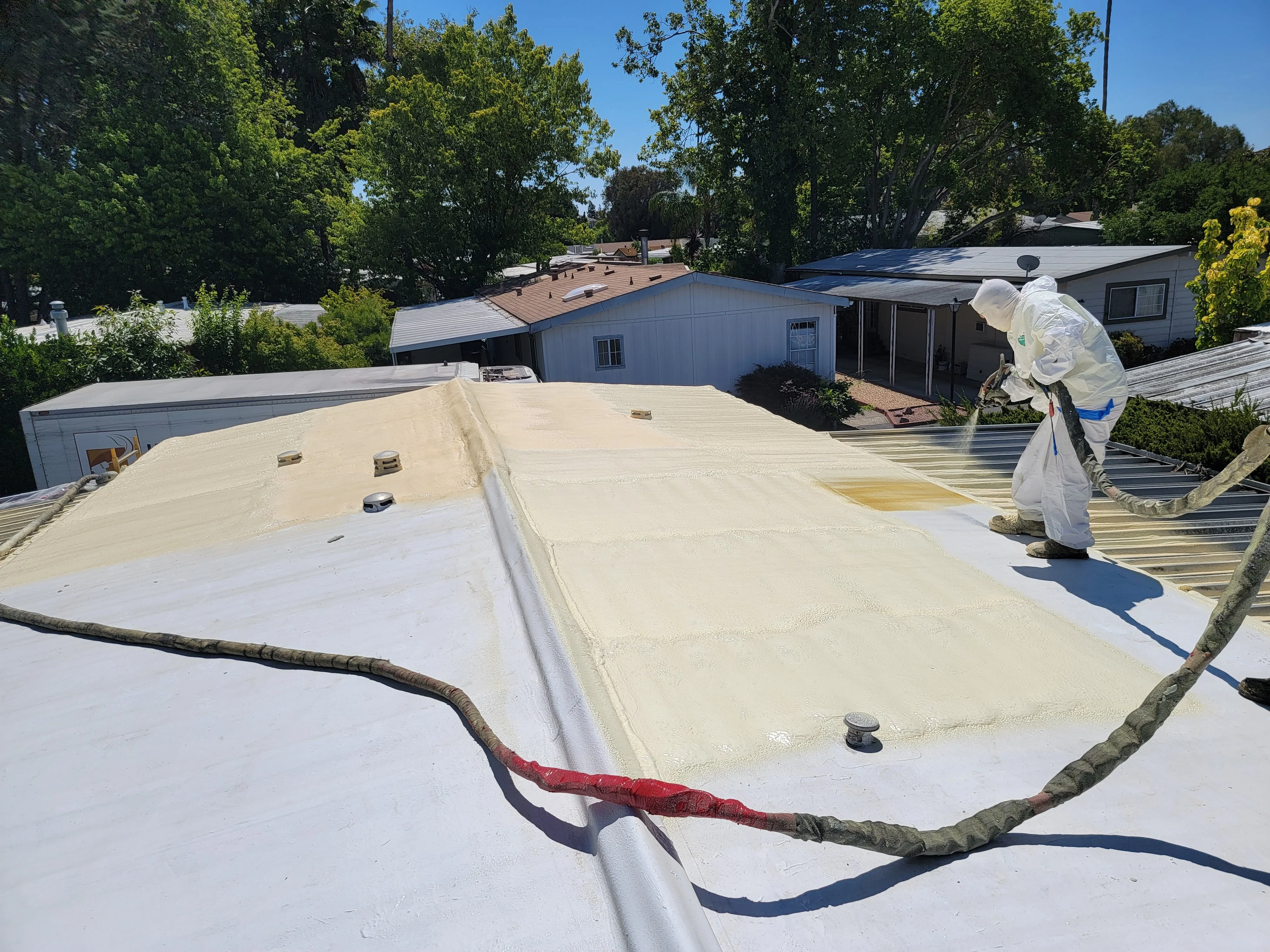
A properly maintained roof system is critical for preventing moisture intrusion in Bay Area homes.
Roof Systems & Leak Behavior in California Homes
Roof performance depends heavily on how the roof assembly was designed and maintained.
Common Roof Types & Vulnerabilities
Asphalt shingle roofs often fail first at flashing, valleys, and penetrations. Flat and low-slope roofs are vulnerable to standing water and drainage issues. Metal roofs perform well structurally but are highly sensitive to flashing and fastener failures.
In all cases, leaks rarely occur in the middle of a roof surface. They almost always originate at transitions, penetrations, or joints.
How Moisture Spreads Once a Roof Starts Leaking
Water does not always travel straight down. In many cases, it moves laterally along roof decking, framing, or insulation before becoming visible. This is why leak detection can be difficult and why damage often extends beyond the original entry point.
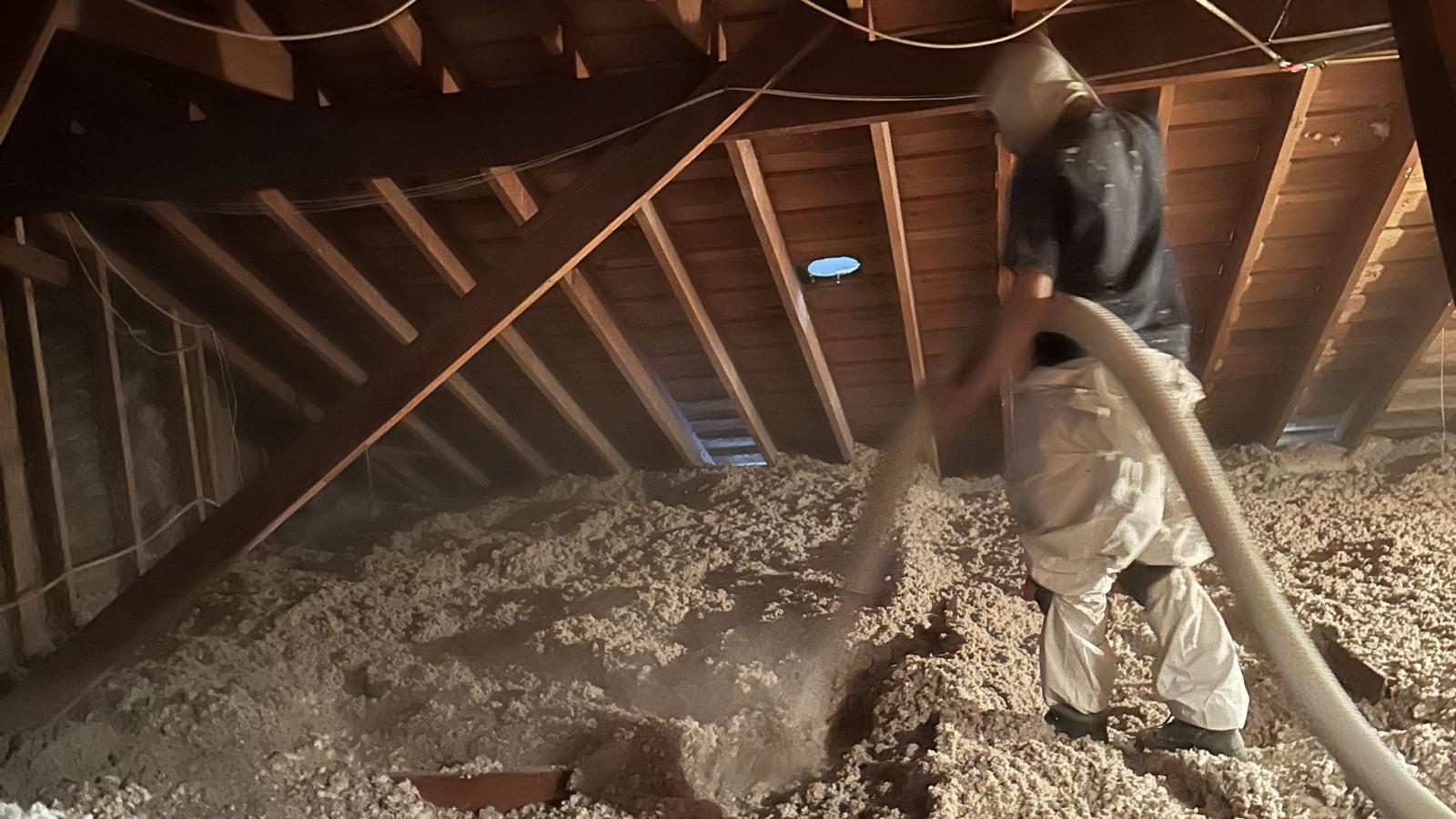
Insulation materials play a major role here. Fiberglass Insulation and Blown-In Insulation can absorb and retain moisture. Spray foam, particularly closed-cell, resists moisture movement and can help limit spread once repairs are complete.
Repair Options for a Leaking Roof in 2025
Roof leak repair is never one-size-fits-all. Solutions depend on where the leak originates and how far moisture has traveled.
Minor issues such as failed flashing or isolated membrane damage may be resolved with targeted roof repairs. More advanced cases require Insulation Removal, drying, and rebuilding portions of the roof assembly.
In many Bay Area homes, especially those with flat or low-slope roofs, recurring leaks are a sign that surface-level patching is no longer enough. Once the source of the leak is properly repaired, improving the roof assembly becomes critical. In these situations, a Spray Foam Roofing System can help seal seams, penetrations, and transitions across the roof surface, reducing the risk of future moisture intrusion and extending the roof's service life in San Francisco's coastal climate.
Average Cost to Fix a Leaking Roof in California (2025)
Roof leak repair costs in California vary significantly based on roof type, access, extent of damage, and insulation involvement.
The real cost of fixing a leaking roof can only be determined after a professional inspection. To get an accurate estimate, please fill out the form above and let our experts evaluate your roof and attic conditions.
Typical 2025 cost ranges include:
Minor localized roof repairs: $750 - $2,500
Flashing and penetration repairs: $1,200 - $4,000
Leak-related insulation removal and replacement: $2,000 - $7,000+
Combined roof repair with spray foam sealing: project-specific pricing after assessment
Homes in fog-heavy or hillside locations often fall toward the higher end of these ranges.
Spray Foam & Roof Leaks - How They Relate
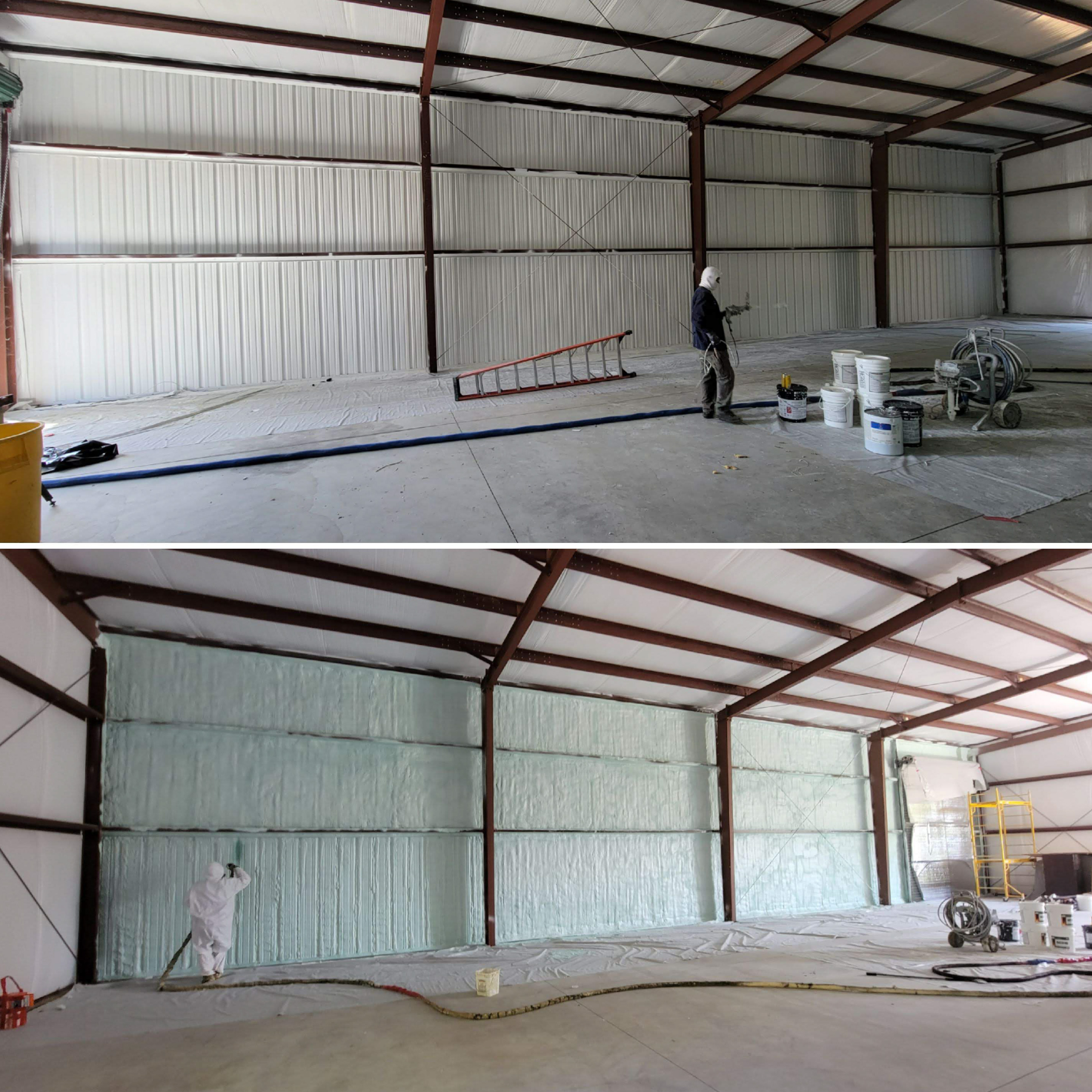
Spray foam does not fix an active roof leak. However, once the leak source is properly repaired, Spray Foam Insulation can significantly reduce future risk by controlling air movement and condensation inside the roof assembly.
Closed-Cell Insulation provides moisture resistance and added structural rigidity, making it particularly effective in coastal environments. Open-cell foam offers air sealing and thermal performance but requires proper design in moisture-prone areas.
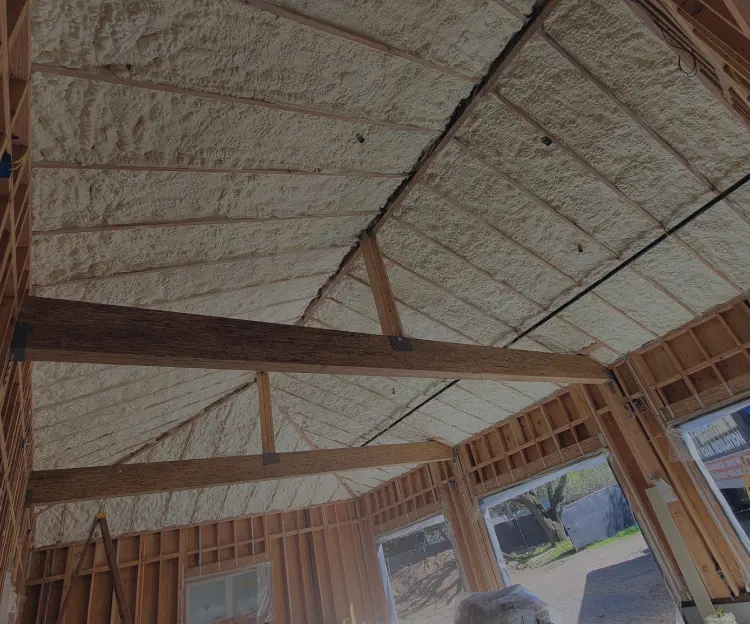
Closed-cell spray foam provides excellent moisture resistance for coastal California homes.
California-Specific Climate Considerations
Coastal San Francisco, Daly City, Pacifica
Persistent fog and wind-driven moisture demand robust moisture control and air sealing.
Inland Bay Area
Higher temperatures increase the importance of insulation depth and heat control, but leaks remain a concern at roof penetrations.
Hillside and Older Homes
Complex roof geometry and access issues increase both risk and repair cost.
2025 Building Codes & Roof Repair Requirements
Roof repairs that affect insulation or attic assemblies often trigger Title 24 compliance. This includes requirements for air sealing, insulation performance, and moisture control. Addressing these factors during a repair reduces the likelihood of future failures and inspection issues.
Why Choose Professional Assessment & Installation
Roof leaks are rarely obvious, and incorrect repairs often make problems worse. Professional assessment identifies the true source of moisture and determines whether insulation, air sealing, or structural components are involved.
USA Spray Me, based in San Francisco, works with homeowners to address roof leaks as part of the entire building envelope, ensuring long-term durability and code compliance.
USA Spray Me is an insulation company based in San Francisco and serving Northern California. Our expert technicians specialize in the application of high-quality foam polyurethane insulation, known for its superior thermal performance and air-sealing properties.
Get a Quote for Your ProjectRoof Leak Solutions in California (2025): What Works and When
| Roof Issue | Typical Solution | When It's Used | Notes for Bay Area Homes |
|---|---|---|---|
| Minor flashing failure | Targeted roof repair | Early-stage leaks | Common around vents, skylights, solar mounts |
| Repeated leaks in same area | Spray Foam Roofing System | Flat or low-slope roofs | Helps seal transitions and reduce future moisture |
| Moisture-damaged insulation | Insulation Removal + replacement | Wet or moldy attic insulation | Critical before any new insulation is added |
| Condensation inside roof assembly | Closed-cell spray foam | Coastal and fog-heavy zones | Controls vapor and air movement |
| Poor energy performance after leak | Spray Foam Insulation upgrade | Older SF homes | Improves comfort and reduces future risk |
| Interior ceiling damage | Drywall repair | Visible interior water damage | Always after moisture source is fixed |
Frequently Asked Questions (FAQ)
Here you'll find answers to the questions we get asked by our clients.
Early signs include musty odors, damp insulation, unusual humidity, or localized cold spots in the home. These symptoms often appear before visible water stains, especially in San Francisco's fog-heavy climate where moisture can accumulate slowly over time.
No. Insulation does not cause leaks, but improper air sealing can contribute to condensation that mimics a leak. When warm, moist air from inside the home reaches cold roof decking, it can condense and drip down, appearing like a roof leak even when the roof membrane is intact.
Yes, once the leak source is fixed and materials are dry, spray foam is safe and effective. In fact, closed-cell spray foam can help prevent future moisture issues by creating an air barrier that stops condensation from forming inside the roof assembly.
Coverage depends on policy details and cause of damage. Sudden events (like storm damage) are more likely to be covered than long-term moisture issues or deferred maintenance. Document the damage thoroughly and contact your insurance provider early in the process.
Small leaks can worsen quickly in California's winter conditions. Early assessment is strongly recommended. Waiting allows moisture to spread further into the roof assembly, potentially causing mold growth, wood rot, and insulation damage that significantly increases repair costs.
Contact us for a professional roof and attic assessment.

 (855) 566-5340
Related Articles
.jpg)
.jpg)

© 2005-2025 All rights reserved. |
800 Avenue H, San Francisco, CA 94130 | (855) 566-5340
